Fava beans

 2 minutes read

Let’s get inspired by… Fava beans

Origins

Fava beans are a legume seed of botanical name Vicia faba and are also known as faba bean and broad beans. They were made infamous by the character Hannibal Lecter in the film The Silence of the Lambs, who claims to have ‘eaten a census takers liver with some fava beans, and a nice Chianti’.

Characteristics

The beans grow in pods with a protective membrane around each bean which needs to be removed.
Fava beans also contain a skin which should be removed after blanching and this results in the bean being split into two halves.

Uses

Fava beans can be roasted, steamed, boiled, fried or sautéed because of their flexibility and ability to both take on other flavours and provide good texture and taste to any dish. They also help to boost the protein content and fibre of foods.

Roasted and seasoned fava beans which are sometimes also labelled as broad beans, are available in the UK market and enjoyed as a on-the-go-snack or as part of a tapas spread.

Fava bean flour is reported to be used in gluten-free bakery applications and snack bars to provide texture and increase the protein content.

Benefits

Fava beans are reported to be an excellent source of protein, fibre and folate.

In recent years, the cooking water or the water found in tinned legumes like fava beans and chickpeas, known as aquafaba, has become an alternative to egg white for vegans. It can be whisked to a stiff appearance, much like regular egg white, and used in sweet and savoury baking and cooking as a valuable plant based substitute for souffles, meringues and cakes.

Aquafaba is now commercially available from Oggs ® in Tetra Pak packaging which enjoys storage at ambient temperature and has a shelf life of approximately seven days once opened and stored under refrigerated conditions.

Other blog posts...

25 March 2025 | Diet

The Banting Diet Plan

The Banting diet plan is probably the first known diet that had a written account of it published back in the 1860s. William Ban

Read article
20 February 2025 | Ingredients

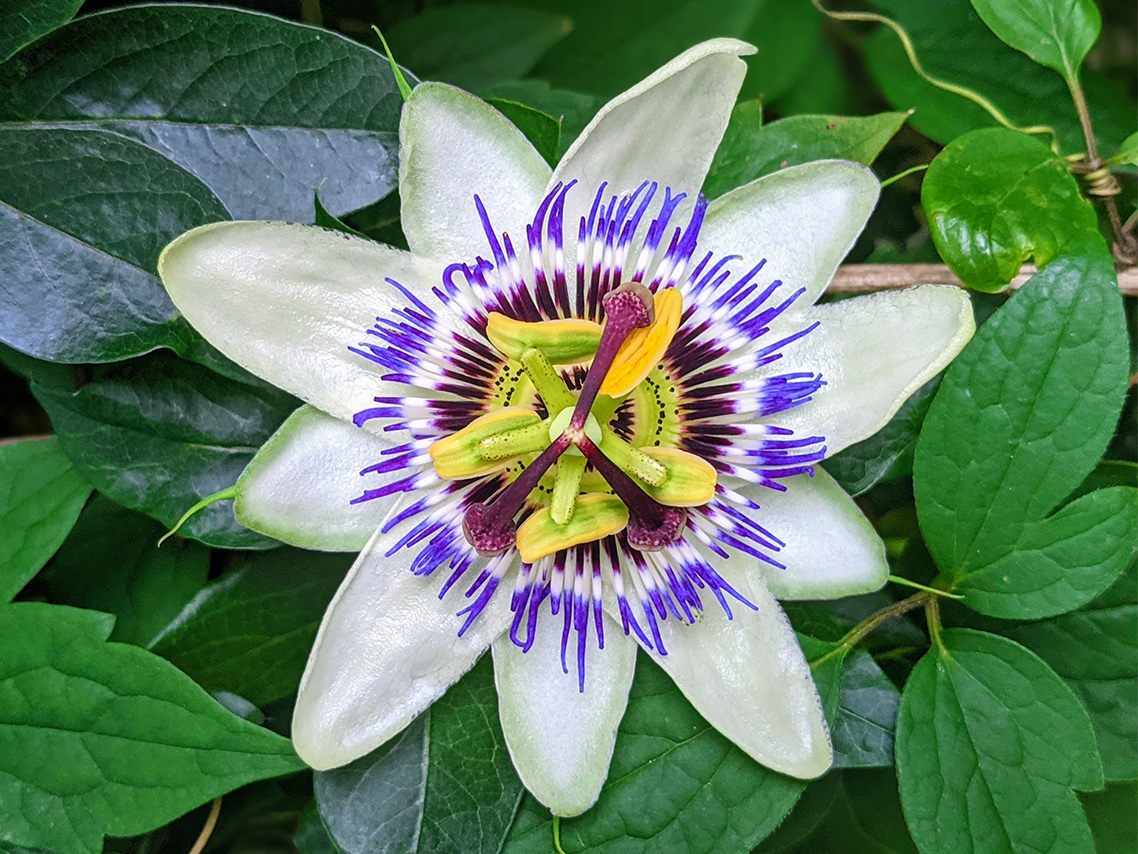
Passion flower

There are approximately 550 different species of passion flower found around the world outside Europe (although the flower is no

Read article

20 February 2025 | Ingredients

Turmeric

Turmeric is a very common spice from the root of Curcuma longa and the yellow powder we see in supermarkets and shops

Read article